
omplete guide to on-page SEO in 2022
If you're a content marketer, you've probably heard about SEO. But what is it exactly? What do you need to know about it? How can it help your business? In this article, we'll explore some of the most important aspects of page SEO and how they apply to businesses like yours.
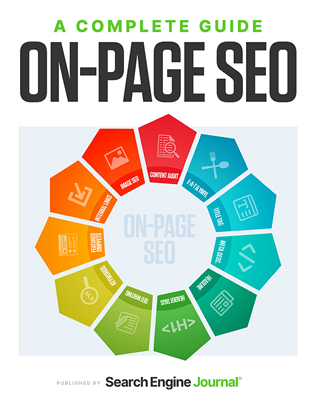
The Importance of Keyword Research
Keyword research is one of the most important things you can do on your site. When you know what people are looking for, it helps you understand what they're interested in and how to reach them.
Keyword research also allows you to find content that resonates with specific audiences, who are searching for specific products or services. This is crucial because if there's no one looking for something on your website, then there's no reason for anyone else to come back!
Keyword Research Tools
When it comes to keyword research, there are a number of tools that can help you find the right terms. Some of the most popular include: Press Tab to write more...
Google Keyword Planner (https://adwords.google/keywordplanner)
SEMrush (https://www.semrush.com/)
Ubersuggest (https://neilpatel.com/ubersuggest/)
Optimizing Title Tags for Better CTR
Title tags are the most important element of your page. They should be concise, descriptive and keyword-rich.
A good title tag should be between 10 and 70 characters in length; it should also be unique to each page and formatted as H1 (the first letter of your site).
Optimizing Your Meta Description for Better CTR
Meta descriptions are the snippet of text that appears at the top of your article's search results. They're important for SEO because they let people know what to expect from your content and make it easier for them to find you on Google, Bing and other search engines.
Optimizing your meta description will help improve CTR (click-through rate) which means more clicks in general!
Make sure it's relevant: It should match the topic of your article or blog post in some way. For example, if you wrote an article about how best dog breeds work together as a family unit then maybe there’s no need for any specific keywords here unless they're mentioned within context (e..g., “dog training tips").
Be short but descriptive: Your meta description should be around 160 characters long or less - enough space but not too much so readers don't get bored quickly with reading through them before hitting play button again after finding what they were looking for earlier on page one!
Internal Linking For SEO
Internal linking is one of the best ways to increase your site's authority. This can be done by linking to other relevant content on your site, or linking directly from one page to another.
You should use internal links when you want users who are browsing through the pages of your website to stay on them longer and read more of what you have written there. If someone visits a certain page and leaves without reading anything else, chances are that person will not return again for some time—and even if they do come back later, it’s likely that they won't remember what exactly led them there in the first place. That makes internal links extremely important!
Using Headings Properly (H1, H2, H3, H4 and so on)
When it comes to the structure of your content, you should use headings—H1, H2 and so on. These are the most important elements that grab people's attention and help them find what they're looking for.
To use these properly:
Use them as much as possible; every time you can break up your text into smaller pieces instead of just writing one long paragraph with no breaks or pauses between paragraphs. This will make it easier for visitors to scan through your page and find what they're looking for!
Optimize Your URL Structure for SEO
Now that you know how to optimize your URL structure, it's time to get into some specifics.
Keyword-rich URLs: By including keywords in the URL, search engines will be more likely to rank your site higher on SERPs. They do this by recognizing that people are searching for specific terms and matching those terms with websites that have been optimized for them (i.e., sites ranking high in Google).
Easy-to-read URLs: Google likes simple URLs because they're easier for users to navigate around a page or site and find what they're looking for quickly without having any trouble deciphering where it is on their screen (which can cause frustration). For example: "http://www." vs "https://www."
Image SEO - Best Practices for Image Optimization
Image SEO - Best Practices for Image Optimization
Image optimization is a key component of your website's overall SEO strategy. It's also something you should get right from the start, because it can have a huge impact on how well your images rank in search results and how long they stay there. Here are some tips to help you optimize your images:
Use descriptive alt tags (the tag) which explain what the image is about, including:
Who created it? Why did they create it? What are they trying to convey with this picture?
How long did they spend editing before publishing it?
Write clear title tags that accurately describe both the content within an image and its purpose (e.g., "Example: Productivity in Office Settings"). This helps Google understand why someone would want click through from their results page into yours; if people aren't sure why they're clicking through then chances are good that these people won't even bother doing so!
Publishing a long-form article with images and proper headings will naturally help you a lot in getting more shares, engagement and traffic. Moreover, it will help you rank better in SERPs as well.
Long-form content means writing about the topic for longer than just a few sentences or paragraphs. It can go up to several thousand words but it doesn't have to be that way! In fact, many brands publish their blog posts as short articles so they can include more information on their website without having to worry about breaking down their main topics into smaller pieces (which would take too much time).
Conclusion
There you have it! A comprehensive guide to optimize your on-page SEO. We’ve covered everything from keyword research tools to internal linking and image optimization, so let’s recap what we learned here. First of all, don’t make the mistake of thinking that just because Google helps you rank in search results without any effort on your part (or with minimal work), then this must be all there is to ranking well online. Nope—there are still plenty of tactics out there that can help improve your rankings and CTR. Second, understand that SEO isn’t just about keywords; it also involves using appropriate content strategies like long-form articles with images or video assets (both on-page SEO practices). Thirdly, if you want more money at home then invest in creating high-quality products before launching them or else risk losing customers altogether due lacklustre offerings
Comments
Post a Comment